

Table of Contents
- Key Points
- Understanding Tooth Sensitivity
- Why Summer Is Especially Hard on Sensitive Teeth
- A Word About Chewing Ice
- Your Summer Survival Strategy
- When Sensitivity Is More Than a Summer Nuisance
- Enjoy the Season
- Frequently Asked Questions
- References
Key Points
- Most cases of sensitive teeth improve with straightforward measures such as desensitizing toothpaste and gentle brushing, though persistent or worsening discomfort warrants a professional evaluation.
- Teeth sensitivity develops when worn enamel or receding gums expose the tooth’s inner dentin, allowing cold, heat, and sweetness to reach the nerve and produce a sharp, fleeting pain.
- Summer intensifies the problem, as frequent cold treats, acidic drinks, ice chewing, and continuous snacking each place added stress on already vulnerable teeth.
Summer in North Carolina has a rhythm all its own: humid afternoons, backyard gatherings, and a steady rotation of cold treats to take the edge off the heat. For a large number of people, the season’s simplest pleasures come with a catch. That first spoonful of ice cream or crunch of a popsicle can trigger a sudden, sharp pain.
If you have found yourself hesitating before an iced drink or chewing on only one side of your mouth, you are experiencing something dentists encounter year-round but hear about most often when temperatures climb: tooth sensitivity.
The good news is that this discomfort is rarely something you simply have to endure. With a clearer understanding of what causes it and a few practical adjustments, most people can enjoy the season’s cold indulgences with far less worry.
Understanding Tooth Sensitivity
To understand why cold provokes such a reaction, it helps to look at the structure of a tooth. 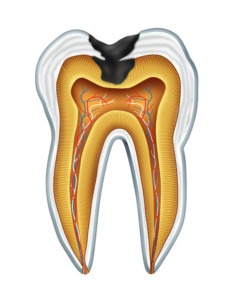 The visible surface is covered in enamel—the hardest tissue in the human body—which acts as a protective shell. Beneath it lies dentin, a softer and more porous layer threaded with thousands of microscopic channels known as dentinal tubules. These tubules lead inward to the pulp, the tooth’s core of nerves and blood vessels.1
When enamel remains intact and the gums sit snugly around each tooth, the dentin stays insulated. Problems arise when that protection is compromised: enamel thins, a tooth chips, or the gum line recedes and exposes the root surface. Once this happens, external stimuli such as cold, heat, acidity, and sugar can reach the nerve. This is the origin of what clinicians call “dentin hypersensitivity,” and what is more colloquially known as “sensitive teeth.”
This sensation is related to the “hydrodynamic theory,” which is where stimuli do not touch the nerve directly but cause the fluid within the dentinal tubules to shift.2 Cold temperatures, for instance, prompt the fluid to contract and move outward rapidly, and the nerve interprets this sudden movement as a brief, sharp pain.
While an annoyance, tooth sensitivity can serve as an early-warning sign of more serious issues. Teeth sensitivity can stem from a range of underlying factors, including enamel erosion, gum recession, tooth grinding, cracked teeth, worn fillings, or untreated decay.
Why Summer Is Especially Hard on Sensitive Teeth
To be clear: the discomfort associated with sensitive teeth can appear at any time of year, but summer introduces various triggers that tend to arrive all at once. Several seasonal habits are worth examining:
- Cold temperatures on repeat: Ice cream, popsicles, milkshakes, and iced coffee deliver exactly the kind of rapid cold that exposed dentin responds to most strongly. Frequent exposure throughout the day gives sensitive nerves little chance to settle.
- Acidic beverages: Lemonade, citrus-infused water, soda, and sports drinks are summer staples, and each is acidic enough to soften and gradually erode enamel over time. As enamel wears, more dentin becomes exposed, and sensitivity often follows.
- Sugary treats: Frozen desserts and sweetened drinks feed the bacteria in dental plaque, which produce acids that further weaken enamel and can contribute to decay.
- Chewing ice: A habit many people barely notice, ice chewing places considerable stress on teeth and deserves a closer look (more on that below).
- Grazing and frequent snacking: Relaxed summer schedules and social gatherings are often conducive to continuous snacking, which keeps the mouth in an acidic state for longer stretches and limits the time saliva has to neutralize and repair.
A Word About Chewing Ice
Of all the summer habits that affect dental health, chewing ice may be the most underestimated. Ice is hard and unyielding, and human teeth were not designed to crush it. Over time, the habit can wear down enamel, chip or fracture teeth, damage existing fillings and crowns, and irritate the gum tissue. For someone already dealing with teeth sensitivity, the combination of extreme cold and physical stress can be particularly aggravating.
There is also a broader health dimension worth noting. A persistent craving to chew ice, known clinically as pagophagia, is in some cases associated with iron deficiency or anemia.3 Craving ice does not automatically indicate a medical problem, but if the urge is frequent and difficult to resist, it may be worth mentioning to your dentist. In the meantime, letting ice melt rather than crunching it is a small change that can spare your teeth a good deal of wear.
Your Summer Survival Strategy
The encouraging news is that most people can continue to enjoy summer’s cold treats with a few simple adjustments. The goal is to reduce triggers, strengthen enamel, and address the underlying causes of discomfort. Consider the following approaches:
- Choose a desensitizing toothpaste: Formulas containing potassium nitrate or stannous fluoride are designed to either calm the nerve or block the dentinal tubules. They tend to work gradually, so consistent use over several weeks generally produces the best results.4
- Brush gently with a soft-bristled brush: Aggressive brushing and stiff bristles can wear away enamel and push back the gum line, worsening exposure. A light touch protects both.
- Give cold foods a moment: Allowing ice cream or a popsicle to soften slightly before eating reduces the intensity of the cold that reaches your teeth.
- Sip acidic and cold drinks through a straw: A straw helps direct liquid past the teeth, limiting direct contact with vulnerable surfaces.
- Rinse, then wait to brush: After an acidic food or drink, rinse with water to help neutralize acids. Avoid brushing immediately, however—enamel is temporarily softened after acid exposure, and brushing too soon can accelerate wear. Waiting thirty minutes to an hour is a reasonable guideline.
- Stay hydrated: Water supports healthy saliva flow, and saliva plays an essential role in neutralizing acids and remineralizing enamel.
- Protect against grinding: If you clench or grind your teeth, particularly at night, a custom nightguard can prevent the enamel wear that frequently underlies sensitivity.
When Sensitivity Is More Than a Summer Nuisance
For many people, sensitive teeth are a manageable inconvenience that responds well to at-home care, including the tactics described above. In other cases, however, sensitivity is the body’s way of signaling a problem that warrants professional attention. It is worth scheduling an evaluation with a dentist in Raleigh, NC, if you notice any of the following:
- Pain that is sharp and localized to a single tooth, which can indicate a cavity, crack, or failing filling
- Discomfort that lingers well after the cold or hot stimulus is removed, which may suggest deeper involvement of the pulp
- Sensitivity that steadily worsens or is accompanied by visible gum recession, swelling, or discoloration
- Any pain severe enough to disrupt eating, sleeping, or daily activity
A thorough examination allows a clinician to distinguish ordinary dentin hypersensitivity from underlying decay, a cracked tooth, or gum disease, and to recommend targeted treatment. Depending on the cause, that might involve professional fluoride application, dental bonding to cover exposed root surfaces, treatment of gum recession, or repair of a damaged tooth.
At Wells, we always take a conservative, patient-centered approach, addressing the source of discomfort rather than masking the symptoms. We also emphasize prevention and clear communication, so that small issues are caught before they become larger ones, and your enamel and gums receive the ongoing care they need.
Enjoy the Season
Cold treats are one of summer’s genuine pleasures, and sensitive teeth should not stand between you and a well-earned ice cream cone. With attentive daily care, a few strategic habits, and professional guidance when needed, most people can keep sensitivity in check and enjoy the season in comfort.
If cold, heat, or sweetness has been catching you off guard, our team of Raleigh dentists can help you identify the cause and build a plan suited to your teeth. Our practice welcomes patients of every age and emphasizes preventive, comfortable care. Contact Wells Family Dental today to schedule an appointment.
Frequently Asked Questions
Why do my teeth suddenly hurt when I eat something cold?
A sharp reaction to cold usually points to exposed dentin. When enamel wears thin or gums recede, the microscopic channels leading to the nerve become open to temperature changes, producing a brief but intense sensation. If the pain is new, worsening, or focused on one tooth, it is worth having a dentist evaluate the cause.
Is chewing ice really that bad for my teeth?
Yes, more than most people realize. Ice is hard enough to chip enamel, fracture teeth, and damage fillings, and the intense cold can aggravate existing teeth sensitivity. Letting ice melt rather than chewing it is a simple way to protect your teeth.
Can sensitive teeth be cured, or only managed?
It depends on the cause. Sensitivity from a cavity, cracked tooth, or worn filling can often be resolved by treating the underlying problem. Sensitivity related to gum recession or enamel wear is typically managed rather than fully reversed, though desensitizing products, fluoride treatments, and protective procedures can substantially reduce discomfort.
Does teeth whitening cause sensitivity?
Teeth whitening can lead to temporary sensitivity, as the process may briefly open the dentinal tubules. For most people, this resolves within a few days. A dentist can recommend a whitening approach and desensitizing regimen suited to teeth that are already prone to sensitivity.
When should I see a dentist about sensitivity?
If sensitivity persists beyond a couple of weeks of at-home care, worsens over time, is concentrated in one tooth, or comes with pain that lingers after the trigger is gone, schedule an appointment. These patterns can indicate a problem that benefits from professional evaluation and treatment.
References
- “Tooth Enamel,” Cleveland Clinic, October 2025, https://my.clevelandclinic.org/health/body/24798-tooth-enamel.
- J.D. Theobaldo JD, Lima M. de Oliveira, W.F. Vieira-Junior, et al., “Management and Treatment of Dentin Hypersensitivity not Associated with a Significant Loss of Tooth Structure,” JSM Dentistry, November 2016, https://www.jscimedcentral.com/jounal-article-info/JSM-Dentistry/Management-and-Treatment–of-Dentin-Hypersensitivity-not–Associated-with-a-Significant-Loss–of-Tooth-Structure-4643.
- Mayo Clinic Staff, “Craving and chewing ice: A sign of anemia?” Mayo Clinic, October 2023, https://www.mayoclinic.org/diseases-conditions/iron-deficiency-anemia/expert-answers/chewing-ice/faq-20057982.
- Sunita Sharma, Neetha J. Shetty, and Ashita Uppoor, “Evaluation of the clinical efficacy of potassium nitrate desensitizing mouthwash and a toothpaste in the treatment of dentinal hypersensitivity,” Journal of Clinical and Experimental Dentistry, February 2012, https://pmc.ncbi.nlm.nih.gov/articles/PMC3908806/.

Dr. Brett Wells is the founder of Loren Dental, DentalHQ.com, and Wells Family Dental Group, which was recently awarded the Triangle Business Journal’s “2024 Best Places to Work” recognition. Dr. Wells has more than 20 years of experience practicing general and family dentistry, and has published widely in major medical journals, like Dental Economics and Inside Dentistry, on topics ranging from navigating dental insurance to advice for other dental practices and the impact of PPOs on dentistry. He is a graduate of the University of North Carolina-Chapel Hill Adams School of Dentistry and maintains memberships in various professional associations, including the American Dental Association, the Academy of General Dentistry, and the Dentist Entrepreneur Organization.
