
Table of Contents
- Key Points
- Why Regular Vet Visits Are Important for Pets
- Why Dental Care Matters for Pets
- What Happens During a Professional Pet Dental Cleaning
- Caring for Your Pet’s Teeth at Home
- Parallels Between Human and Pet Oral Health
- What to Look For in a Pet Hospital
- Wells Family Dental Group Recommends Plantation Park Animal Hospital
- Keeping Every Smile Healthy
- Frequently Asked Questions
- References
Key Points
- Periodontal disease is the most common dental condition in dogs and cats, and it often progresses without obvious signs.1
- Regular veterinary exams, professional cleanings, and daily brushing protect a pet’s teeth and gums, much as the same habits protect human smiles.
At Wells Family Dental Group, our days are spent on teeth, gums, and jaws. The principles that guide our work (prevention, early detection, and clear communication) apply well beyond the human mouth. Plenty of our patients go home to a dog or cat at the end of the day, and those animals face many of the same oral health problems people do, from plaque and tartar buildup to gum disease.
The difference is that pets cannot tell anyone when something hurts. Here is what every pet owner should know about keeping an animal’s mouth healthy, and why a persistent case of “doggy breath” may deserve a closer look.
Why Regular Vet Visits Are Important for Pets
Pets age faster than people do, so a year of life for a dog or cat translates to several years (on a human scale) of change in the body. Routine veterinary visits give the care team a baseline to compare against over time, which makes subtle shifts in weight, appetite, or behavior easier to spot.
Vaccinations, parasite prevention, and wellness exams also help catch problems that pets cannot describe in words. Because animals are skilled at masking discomfort, a scheduled exam can be the first opportunity to notice something that an owner has not yet recognized, and that includes problems inside the mouth.
Why Dental Care Matters for Pets
Dental disease is one of the most common health concerns in companion animals, and it often develops quietly. Pet owners should consider a veterinary visit if they notice any of the following:
- Persistent bad breath
- Reluctance to chew, or dropping food while eating
- Red, swollen, or bleeding gums
- Loose, broken, or discolored teeth
- Excessive drooling
- Swelling around the mouth or face
- Changes in behavior, such as irritability or pawing at the mouth
As mentioned, periodontal disease is the most common dental condition in dogs and cats, and many pets show early signs while they are still relatively young. Left untreated, gum inflammation (“gingivitis”) can progress to periodontal disease, which damages the soft tissue and bone that hold teeth in place. The effects can also reach beyond the mouth, since periodontal disease is associated with changes in the kidneys, liver, and heart.2
What Happens During a Professional Pet Dental Cleaning
A professional cleaning at the vet’s office looks a lot like one at ours. It typically includes:
- Oral examination: The veterinarian evaluates the teeth, gums, and surrounding soft tissues.
- Dental radiographs: X-rays reveal problems with the tooth roots and jaw that a visual exam cannot detect.
- Scaling: Plaque and tartar are removed from the tooth surfaces and from beneath the gumline.
- Polishing: Smoothing the tooth surfaces afterward helps slow the return of plaque.
The biggest difference is anesthesia. Our human patients can sit still and open wide on request, but pets cannot, so professional cleanings for pets typically require anesthesia. It keeps the animal comfortable and still, which allows the care team to examine the entire mouth, take clear X-rays, and clean below the gumline, where much of the damage occurs.
Caring for Your Pet’s Teeth at Home
Daily habits support the work done during veterinary visits. A few that make a real difference:
- Brushing regularly: Brushing is the single most effective step owners can take at home, and most dogs and cats can learn to accept it with patience and plenty of praise.
- Using pet toothpaste: Choose a toothpaste made for animals. Some human toothpastes contain xylitol, a sweetener that can be dangerous for dogs.3
- Asking before buying: Not every dental chew, treat, or special diet works as advertised, so check with your veterinarian before adding one to your pet’s routine.
- Watching for changes: Note shifts in eating, chewing, or grooming habits, and promptly mention them to your veterinarian.
Parallels Between Human and Pet Oral Health
As Raleigh dentists, we spend a good part of every day on prevention, and veterinary teams approach a pet’s mouth in much the same way. Dental professionals and veterinary teams share several core principles:
- Prevention is the foundation: Regular exams and daily home care catch problems before they get out of hand.
- Nutrition shapes outcomes: Diet influences plaque formation and gum health in both people and animals.
- Early intervention is simpler: Small problems are generally easier to address than advanced disease.
- Anesthesia requires careful planning: Both dental offices and animal hospitals screen patients before procedures.
What to Look For in a Pet Hospital
Pet owners comparing veterinary practices should weigh several factors, including:
- Convenience: Hours that accommodate work schedules, such as evening appointments
- Range of services: Whether the hospital can handle routine care, diagnostics, and procedures under one roof
- Dental capabilities: Whether the hospital offers professional cleanings with full-mouth X-rays
- Communication: Clear explanations of treatment options and costs before care begins
- Digital tools: Portals or apps for refills, records, and appointment requests
Wells Family Dental Group Recommends Plantation Park Animal Hospital
If you are in the market for a veterinarian, our team has a recommendation, and it comes with a family connection. Dr. Jonathan Weisner, a dentist at our North Raleigh office, is married to Dr. Jessie Miller, DVM, who has been an associate veterinarian at Plantation Park Animal Hospital since 2017. 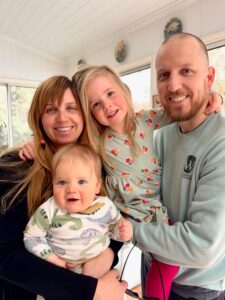 Both of their careers started in Knoxville, Tennessee, where Dr. Weisner completed his General Practice Residency and Dr. Miller worked as an emergency veterinarian. Today they share their home with two dogs, Lexi and Dexter, so it is safe to say that dental health comes up at the dinner table.
Plantation Park serves pet owners in Clayton, NC, and the surrounding areas, a short drive southeast of Raleigh. As a full-service animal hospital, it offers:
- Wellness care, vaccinations, and microchipping
- Dental care and in-house diagnostics
- Surgery, boarding, and senior pet care
- Nutritional counseling, parasite prevention, and a fully stocked pharmacy
- Laser therapy and chiropractic care
The hospital’s approach to dental care follows the same steps described above, with each cleaning beginning with a comprehensive oral exam and including scaling, polishing, and full-mouth X-rays under sedation.
Plantation Park also offers evening appointments, and it was voted Best Veterinarian Hospital by Nextdoor in 2023. Pet owners can request refills, access pet records, and manage appointment requests through the PetDesk app. The hospital’s extended weekday hours are a good fit for pet owners who need to fit an appointment in after work:
Based on the hospital’s range of services, extended weekday hours, and fantastic staff, we cannot recommend Plantation Park Animal Hospital enough to our patients who are also pet owners in Clayton and the surrounding area. Reach out to them today to schedule an appointment for your pet.
Keeping Every Smile Healthy
Healthy teeth and gums, for people and pets alike, depend on consistent attention: regular checkups, daily brushing, and a quick call to a professional when something seems off. If you are looking for a dentist in Raleigh for your own care, our North Raleigh office, located at 13271 Strickland Rd, Suite 110, welcomes new patients, and you can book an appointment online. We are glad to help you build a routine that keeps your smile (and your pet’s) in good shape.
Frequently Asked Questions
Why do pets need dental care?
Dental disease is common in companion animals and can cause pain and infection if left untreated. Routine exams and professional cleanings help catch problems early, though animals often hide discomfort.
Can I use my own toothpaste to brush my pet’s teeth?
It is best not to. Some human toothpastes contain xylitol, a sweetener that can be dangerous for dogs, so choose a toothpaste made specifically for pets.
Do pets need anesthesia for a dental cleaning?
In most cases, yes. Anesthesia allows the veterinary team to examine the whole mouth, take X-rays, and clean below the gumline without causing the pet stress or pain.
Is Plantation Park Animal Hospital located in Raleigh?
The hospital is in Clayton, NC, a short drive southeast of Raleigh, and serves Clayton and the surrounding areas.
What are the hospital’s hours?
Plantation Park is open Monday and Thursday from 8 AM to 8 PM, and Tuesday, Wednesday, and Friday from 8 AM to 6 PM. It is closed on weekends.
References
- “Pet Dental Care,” American Veterinary Medical Association, January 2020, https://ebusiness.avma.org/files/productdownloads/MCM-ClientBrochures-20-PetDentalCare.pdf
- “Tooth Be Told: What To Know About Gingivitis,” Veterinary Medicine & Biomedical Sciences, Texas A&M University, February 2021, https://vetmed.tamu.edu/news/pet-talk/pet-gingivitis/.
- “Paws Off Xylitol; It’s Dangerous for Dogs,” U.S. Food and Drug Administration, December 2025, https://www.fda.gov/consumers/consumer-updates/paws-xylitol-its-dangerous-dogs

Dr. Brett Wells is the founder of Loren Dental, DentalHQ.com, and Wells Family Dental Group, which was recently awarded the Triangle Business Journal’s “2024 Best Places to Work” recognition. Dr. Wells has more than 20 years of experience practicing general and family dentistry, and has published widely in major medical journals, like Dental Economics and Inside Dentistry, on topics ranging from navigating dental insurance to advice for other dental practices and the impact of PPOs on dentistry. He is a graduate of the University of North Carolina-Chapel Hill Adams School of Dentistry and maintains memberships in various professional associations, including the American Dental Association, the Academy of General Dentistry, and the Dentist Entrepreneur Organization.
