

Table of Contents

- Key Points
- Birth to 12 Months: Building the Foundation
- Ages 1-3: Establishing Routine and Technique
- Ages 3-6: Teaching Independence While Maintaining Quality
- Ages 6-12: Transitioning to Independence
- Making Toothbrushing Fun and Effective
- Common Mistakes to Avoid
- The Role of Professional Care
- Building Lifelong Habits
- Learn More About Brushing and Children’s Oral Health
- References
Key Points
- Though almost entirely preventable, tooth decay in children is extremely common.
- Proper brushing is one of the best things parents can do (and teach their children to do) to stave off cavities and other adverse dental conditions.
- Brushing strategies and techniques vary by age; understanding the best approach to each stage of development can help create a lifetime of oral health for your child.
Did you know that tooth decay is the most common chronic disease in children, affecting more than 40 percent, making it five times more common than asthma.1 Despite being entirely preventable, cavities continue to plague young smiles across the country, including right here in North Carolina. The good news is that establishing proper oral hygiene habits early on can set your child up for a lifetime of healthy teeth and gums. Understanding how to brush your children’s teeth properly at each developmental stage is one of the best gifts you can give them. The importance of toothbrushing cannot be overstated when it comes to your child’s overall health and development. Poor oral hygiene does not just lead to cavities—it can affect speech development, nutrition, self-esteem, and even academic performance.2 As experienced Raleigh dentists, we see firsthand how proper oral care from an early age makes a tremendous difference in a child’s overall well-being. Starting good oral care habits from the very beginning creates a foundation for lifelong wellness. When parents understand the proper techniques for brushing a child’s teeth at different ages, they can prevent problems before they start and help their children develop the skills they need to maintain their own oral health as they grow. Below is a breakdown of techniques to employ during each stage of your child’s development.
Birth to 12 Months: Building the Foundation
Even before your baby’s first tooth appears, oral care should be part of your daily routine. During this crucial period, you are laying the groundwork for healthy teeth for preschoolers and beyond. Many parents visiting dental offices in Raleigh NC are surprised to learn that oral care begins before teeth even emerge. What to do:- Clean your baby’s gums twice daily with a soft, damp washcloth or “finger brush”
- Begin brushing as soon as the first tooth erupts, transitioning to a soft-bristled infant toothbrush
- Use just a smear of fluoride toothpaste—about the size of a grain of rice
- Focus on gentle circular motions rather than back-and-forth scrubbing
- Make it a positive experience with songs, smiles, and gentle talking
Ages 1-3: Establishing Routine and Technique
Toddlerhood brings new challenges and opportunities when it comes to oral care. Your child is developing more teeth and a greater awareness of their surroundings, as well as possibly asserting their independence—sometimes in ways that make toothbrushing feel like a battle. Key strategies for this age group:- Continue using a rice-grain-sized amount of fluoride toothpaste
- Brush twice daily for two minutes, focusing on all surfaces of each tooth
- Let your toddler hold their own toothbrush while you do the actual cleaning
- Use distraction techniques like counting, singing, or storytelling
- Establish a consistent routine—same time, same place, same sequence
- Consider using a toothbrush with fun characters or colors to increase interest
Ages 3-6: Teaching Independence While Maintaining Quality
The preschool years are perfect for teaching teeth brushing to preschoolers while still providing necessary assistance. Children this age are developing better coordination and understanding of instructions, making it an ideal time to begin gradually transferring responsibility. This age group is particularly receptive to learning when the process is made fun and engaging. Effective approaches for preschoolers:- Increase fluoride toothpaste to a pea-sized amount
- Teach the “2-minute rule” using timers, apps, or songs
- Introduce proper brushing technique through demonstration and guided practice
- Use the “brush, spit, don’t rinse” method (to maximize fluoride protection)
- Create visual aids like brushing charts or mirror markers to track progress
- Allow your child to brush first, then follow up with your own thorough cleaning
Ages 6-12: Transitioning to Independence
School-age children are developing the motor skills and responsibility needed to take charge of their own oral care, but they still need guidance and supervision. This transition period is critical for establishing habits that will carry them through adolescence and into adulthood. Supporting school-age independence:- Gradually reduce your direct involvement while maintaining supervision
- Teach thorough flossing techniques as adult teeth emerge
- Discuss the importance of toothbrushing in terms they can understand
- Encourage consistent, twice-daily brushing (without having to be reminded)
- Address any concerns about loose teeth or new permanent teeth growing in
Making Toothbrushing Fun and Effective
Regardless of your child’s age, keeping oral care enjoyable and positive is essential for long-term success. Here are strategies that work across all age groups: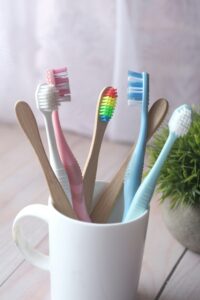 Creative motivation techniques:
- Use colorful, age-appropriate toothbrushes and toothpaste flavors
- Create brushing playlists with 2-minute songs
- Implement reward systems like sticker charts or small privileges
- Brush together as a family to model good behavior
- Read books about dental health and tooth-friendly foods
- Let children choose their own oral care products (within appropriate options)
Common Mistakes to Avoid
Understanding what not to do is just as important as knowing proper technique when learning how to brush your children’s teeth effectively. As pediatric dentists in Raleigh, North Carolina, we frequently see the consequences of these common brushing errors. Avoid these pitfalls:- Using too much toothpaste, which can lead to fluorosis6
- Brushing too vigorously, causing gum irritation or enamel wear
- Rushing through the process without adequate time for thorough cleaning
- Giving up supervision too early—most children need help until ages 8-10
- Using adult toothbrushes before children are ready
- Neglecting to replace toothbrushes every 3-4 months or after illness
The Role of Professional Care
While home care is fundamental, regular dental visits are equally important for maintaining your child’s oral health. Professional cleanings, fluoride treatments, and early detection of potential problems complement your daily efforts at home. When choosing among dental offices in Raleigh NC, look for practices that specialize in pediatric care and create welcoming environments for children. Schedule your child’s first dental visit by their first birthday or within six months of their first tooth appearing.7 Regular checkups every six months allow your pediatric dentist to monitor development, provide preventive treatments (like fluoride and sealants), and offer personalized advice for your child’s specific needs. During these visits, your dental team can also demonstrate proper brushing techniques, recommend age-appropriate products, and address any concerns you might have about your child’s oral development. Finally, regular checkups give dentists the chance to identify potential issues early, when treatment is typically simpler and less invasive.Building Lifelong Habits
The techniques you use for brushing a child’s teeth today directly impact their oral health tomorrow. Children who learn proper oral hygiene early and understand its importance are more likely to maintain these habits throughout their lives. This foundation becomes especially crucial during the teenage years when parental supervision decreases and personal responsibility increases. Remember that every child develops at their own pace, and flexibility in your approach may be necessary. Some children may need additional support or different motivational strategies. The key is persistence, patience, and maintaining a positive attitude about oral care.Learn More About Brushing and Children’s Oral Health
Understanding how to brush your children’s teeth properly at each developmental stage is an investment in their long-term health and happiness. From those first gentle gum cleanings to teaching independent brushing techniques, every step builds toward a lifetime of healthy smiles. The importance of toothbrushing extends far beyond preventing cavities. It is about teaching responsibility, building self-care habits, and giving your child the confidence that comes with a healthy, bright smile. By following age-appropriate techniques, maintaining consistency in your approach, and partnering with qualified dental professionals, you are setting the stage for excellent oral health that will benefit your child for years to come. For more personalized guidance on your child’s oral health needs, consider lining up a consultation with a trusted dentist Raleigh NC families rely on for comprehensive pediatric dental care. From checkups and cleanings to restorative and cosmetic procedures, we can address any concerns you may have regarding your child’s oral health. Call today to schedule a visit.References
- Brianne Cipich, D.D.S., “The Most Common Chronic Disease of Childhood in the US,” Indiana University School of Medicine, February 2022, https://medicine.iu.edu/blogs/pediatrics/lend—the-most-common-chronic-disease-of-childhood-in-the-us.
- Dilsah Cogulu, Ozant Oncag, Asli Asik, et al., “Are Oral Health Conditions Associated with Schoolchildren’s Performance and School Attendance?” Journal of Pediatric Research, March 2023, https://jpedres.org/articles/are-oral-health-conditions-associated-with-schoolchildrens-performance-and-school-attendance/jpr.galenos.2022.37431.
- George Kitsaras, Michaela Goodwin, Michael P. Kelly, and Iain A Pretty, “Bedtime Oral Hygiene Behaviours, Dietary Habits and Children’s Dental Health,” Children, May 2021, https://pmc.ncbi.nlm.nih.gov/articles/PMC8160840/.
- John Donovan, “Toothbrushing Mistakes You Make and How to Fix Them,” WebMD, December 2016, https://www.webmd.com/oral-health/features/brushing-teeth-mistakes.
- Sara Costa Fernandes, Ana Louceiro, Luisa Bandeira Lopes, et al., “Children’s Attitudes and Behaviors about Oral Health and Dental Practices,” Healthcare, April 2021, https://pmc.ncbi.nlm.nih.gov/articles/PMC8065731/.
- Cleveland Clinic Staff, “Fluorosis,” Cleveland Clinic, October 2024, https://my.clevelandclinic.org/health/diseases/23227-fluorosis.
- “A Child’s First Dental Visit Fact Sheet,” Children’s Health, Stanford Medicine, retrieved on July 22, 2025, from: https://www.stanfordchildrens.org/en/topic/default?id=a-childs-first-dental-visit-fact-sheet-1-1509.

Dr. Brett Wells is the founder of Loren Dental, DentalHQ.com, and Wells Family Dental Group, which was recently awarded the Triangle Business Journal’s “2024 Best Places to Work” recognition. Dr. Wells has more than 20 years of experience practicing general and family dentistry, and has published widely in major medical journals, like Dental Economics and Inside Dentistry, on topics ranging from navigating dental insurance to advice for other dental practices and the impact of PPOs on dentistry. He is a graduate of the University of North Carolina-Chapel Hill Adams School of Dentistry and maintains memberships in various professional associations, including the American Dental Association, the Academy of General Dentistry, and the Dentist Entrepreneur Organization.
